


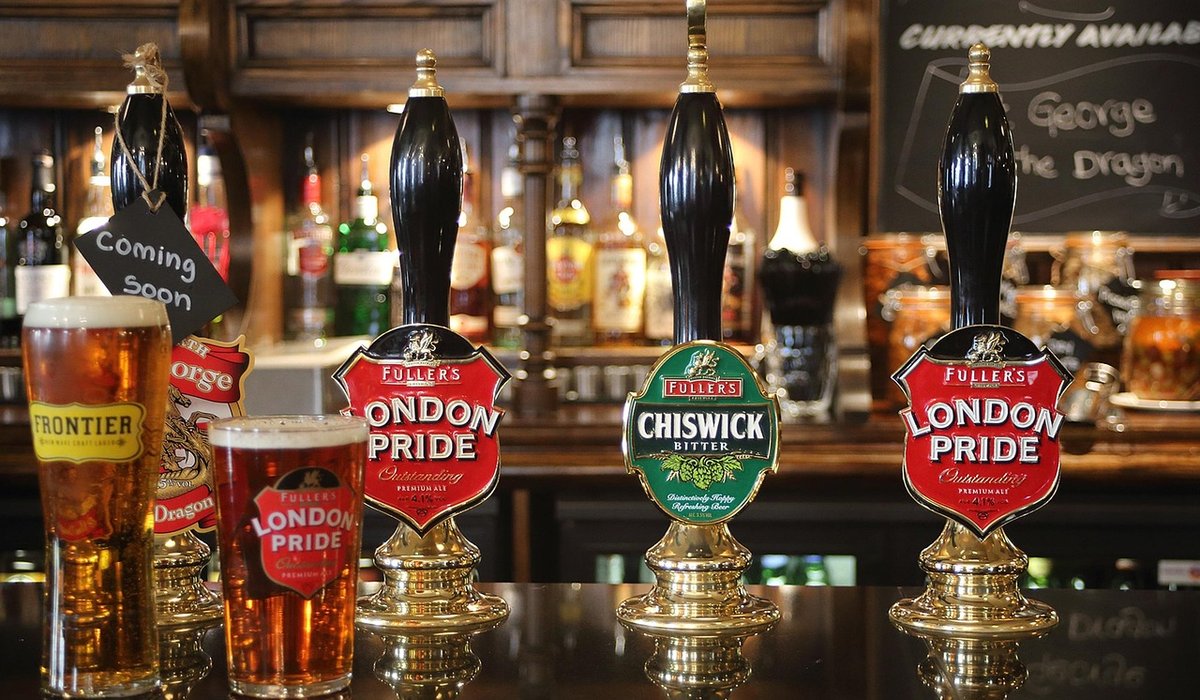
The pint tells you a story before you taste it
Real ale is a living thing. Unlike a keg lager that arrives at the bar already filtered, pasteurised and carbonated, cask beer finishes its fermentation in the pub cellar. Between the brewery and your glass sit a fortnight of decisions: how long the cask was allowed to settle, whether the venting was done with patience, how clean the lines are, whether the beer was tapped too early or left to sit too long. A well-kept pint is therefore not just a drink but a small act of craftsmanship by the publican.
Happily, most of that craftsmanship is visible and smellable in the first ten seconds. Hold the glass to the light, take a breath over the rim, watch the bubbles. Learning what to look for won't make you a bore at the bar — it will simply improve your luck, and reward the pubs that are doing the hard work properly.
Clarity and condition: what your eyes should check
Hold the glass against a window or a lamp. For the great majority of traditional bitters, milds, pales and stouts, a well-kept pint is bright — clear throughout, with a deep, clean colour and nothing drifting in suspension. A dull grey haze or a swirl of sediment usually means yeast has been roused from the bottom of the cask: the beer was moved, jostled on the way up from the cellar, or has simply been on sale too long.
There are honest exceptions. Some modern beers are unfined, brewed with wheat, or dry-hopped so heavily that a haze is the house style. The test is consistency: if every pint of that beer in that pub looks the same, and tastes fresh, you are looking at a deliberate character rather than a fault. Judge those on aroma and flavour instead.
The head, the pour and the glass
- A tight collar. A traditional pint wears roughly a centimetre of close-knit foam, not a towering meringue. A loose, soapy head that vanishes in seconds is a warning sign.
- Lacing. As you drink, rings of foam should cling to the inside of the glass. Good lacing is one of the surest signs of a beer in fine condition.
- Sparkle. Condition, in the trade, means gentle natural life — tiny beads of gas rising steadily, and a soft prickle on the tongue. Flat beer tastes flabby and sweet; over-gassy beer fizzes and drives off the malt.
- A clean glass. Grease from food or a trace of washing-up liquid will kill a head stone dead. If the foam collapses instantly, suspect the glass before the beer.
- A proper pour. Ask for a fresh pull rather than a pint that has been standing. A competent bar staff will let it settle and top it up rather than serving a glass of froth.
Temperature and aroma: cellar cool, not ice cold
Real ale belongs at cellar cool — somewhere around 11 to 13°C. That is cool enough to refresh and to hold the beer in shape, but warm enough to let the malt and hops speak. If the glass is beaded with condensation and numbs your hand, the beer is too cold; chilling beyond cellar temperature flattens the aroma and hides the very faults a publican should be catching.
Next, aroma. Cup the glass, swirl it gently and breathe in. A good pint smells of something: fresh bread and biscuit, a touch of caramel, grassy or citrus hops, hedgerow and earth in an old-style bitter, roasted coffee in a stout. Alarms include vinegar or sherry (oxidation), wet cardboard (staleness), butterscotch (diacetyl), a struck-match sulphur note, cooked sweetcorn or a metallic tang.
Taste: clean, balanced and free of faults
The first mouthful should be clean — no sharpness at the edges, no muddiness. Look for balance: malt sweetness arriving first, hop bitterness following and then fading gracefully rather than lingering harshly at the back of the throat. Bitterness should be firm, not astringent. The finish should leave you wanting the next sip.
Faults show themselves over a pint rather than in a sip. A beer that tastes thin and lifeless from the third mouthful onwards has likely gone past its best, or is being pulled through tired lines. A beer that starts pleasing and turns sour, cardboardy or cloying in the last third is telling you when the cask was tapped.
What to do if the pint falls short
Most pubs would far rather replace a doubtful pint than lose a customer. If you are unsure of a beer, ask for a taste before committing — a simple "would you mind if I tried that one?" is rarely refused. If something is clearly wrong, return it calmly and specifically: "this tastes a bit vinegary to me." Nine times out of ten you will get a fresh glass and an apology, and the publican will be grateful for the information.
It also pays to read the pub itself. Well-kept beer is found where casks turn over briskly: a busy bar, a chalkboard that changes through the week, clips kept current, staff who can tell you when the cask was tapped. If the pub is silent, there is a single hand pump, and the pump clip looks faded and dusty, the odds are against you. Choose accordingly, and when a pint is excellent, say so — it is the finest compliment a British pub can receive.


Leave a reply