


A National Treasure: Chips in the British Pub
There are few things more reassuring than a proper pub chip. Not the thin, brittle sort that shatter like glass, nor the pale, limp imitations that turn to paste in the mouth. A true pub chip is a stout, golden brick: shatteringly crisp on the outside, fluffy and steaming within, tasting deeply of potato and good fat. It belongs on a plate beside a pie, a gammon steak or a humble cheese sandwich, and it belongs with a pint of real ale drawn from a hand pump in a cool, dimly lit tavern. The good news is that you can make them at home with a domestic fryer or a heavy pan, a little patience and a willingness to fry twice. The method is old, unfussy and generous. It rewards attention to detail, not expensive equipment.
Start with the Right Spud
The chip begins in the soil. You want a floury potato, sometimes called a baker or a mealy variety. These have a lower water content and a higher starch content, which means they break down slightly inside while staying robust enough to crisp. Waxy potatoes, lovely as they are in salads, will turn greasy and collapse. Look for large, even-sized tubers with smooth skin and no green patches. Maris Piper is the classic choice, but King Edward, Desiree, Romano and Cara all perform beautifully. If you can buy them loose from a market stall or farm shop, so much the better. Avoid anything that feels soft or has begun to sprout.
- Floury varieties: Maris Piper, King Edward, Desiree, Romano, Cara.
- Avoid: waxy salad potatoes, new potatoes and anything labelled “smooth” or “buttery”.
- Size matters: choose long, oval potatoes so you can cut uniform chips.
- Storage: keep them cool, dark and dry, never in the fridge, which turns starch to sugar.
Cut Thick, Rinse Well, Dry Properly
Peel the potatoes if you like, though many pub kitchens leave the skin on for a rustic edge. Cut them into chips about 1.5cm to 2cm thick. Thinner than that and they will crisp too quickly and lose their fluffy heart; thicker and the centre may stay raw before the outside colours. As you cut, drop the chips into a bowl of cold water. This rinses away surface starch, which is the enemy of crispness. Let them soak for at least 30 minutes, or up to an hour. Then drain them and rinse again under cold running water until it runs clear.
Drying is the step most home cooks rush. Wet chips spit in hot fat and steam rather than fry. Spread them on a clean tea towel or a layer of kitchen paper, pat them thoroughly, then leave them to air-dry for ten minutes. They should feel tacky, not wet. If you are organised, you can now chill them uncovered for an hour; the dry air of the fridge firms them up further.
The First Fry: A Gentle Blanch
Traditional pub chips were fried in beef dripping, and that is still the gold standard for flavour. If you prefer a neutral oil, use groundnut, rapeseed or a good sunflower oil. Heat it to 130°C to 140°C. This is a gentle blanch, not a fierce fry. Lower the chips in using a slotted spoon or a wire basket, working in small batches so the temperature does not drop. They will bubble quietly and soften. Fry for six to eight minutes, until they are pale, pliable and just cooked through. They should not take on any real colour. Lift them out, shake off the fat and drain on a rack or a tray lined with kitchen paper. Let them rest for at least 15 minutes. This pause is what gives you the fluffy interior; the starch retrogrades and the surface dries, ready to crisp.
The Second Fry: Crisp and Golden
Now raise the heat to 180°C to 190°C. Return the rested chips to the hot fat, again in batches. They will hiss aggressively and turn golden within two to three minutes. Watch them closely, because they can go from perfect to bitter in thirty seconds. You are looking for a deep, even gold and a surface that sounds hard when you tap it with a spoon. Lift them out and drain briefly on a rack, never on a flat plate where steam will collect underneath. If you are cooking for a crowd, keep the first batches warm in a low oven with the door slightly ajar, but do not cover them or they will soften.
- Temperature check: a cube of bread should brown in 30 seconds at 180°C.
- Never overcrowd: the fat temperature drops and the chips steam.
- Drain upright: a wire rack keeps the base crisp; kitchen paper is a poor second.
- Season at once: sea salt clings best to hot, glistening fat.
Salt, Vinegar and a Proper Pint
As soon as the chips come out of the fat, shower them with flaky sea salt. A splash of malt vinegar is traditional, though it will soften the crust if you add it too early; serve it on the side for dipping, or sprinkle it at the very last moment. A grind of black pepper is optional, and some like a dusting of smoked paprika or a few sprigs of rosemary thrown into the second fry. But the simplest version is the best: potato, fat, salt.
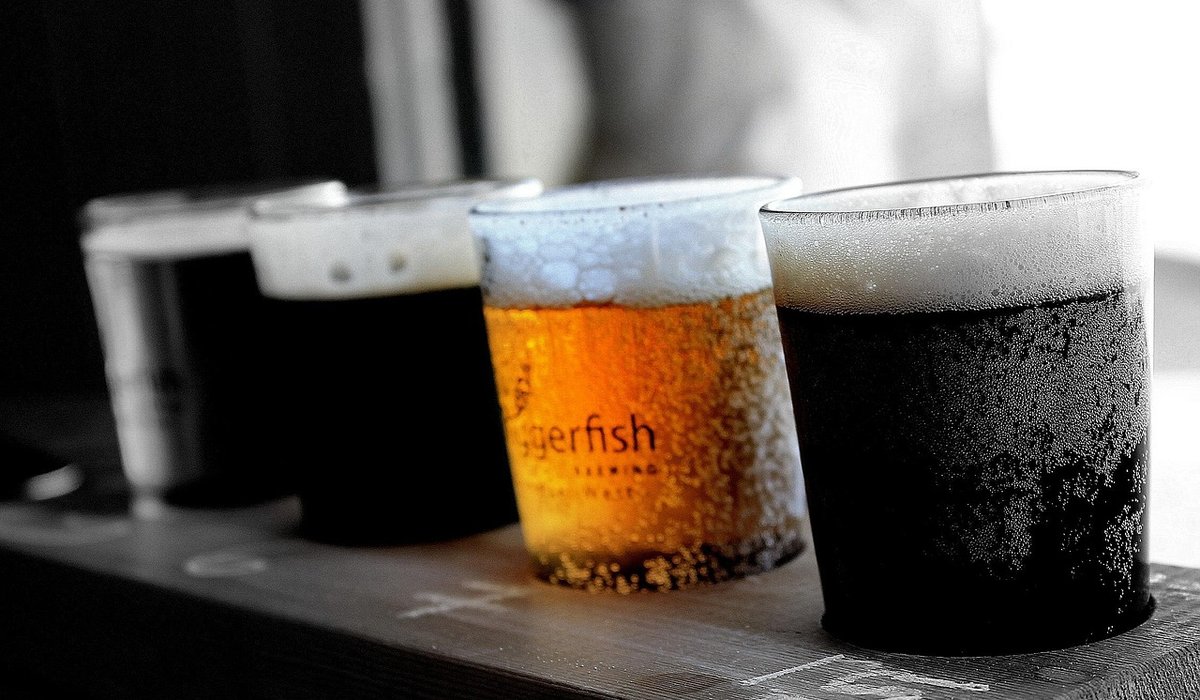
Serve them immediately, piled high on a warm plate, with a pint of real ale alongside. A bitter, a best bitter or an India pale ale cuts through the richness beautifully. A mild or a dark stout makes a fine match in winter. The whole point of proper pub chips is that they are not a side dish to be rushed. They are the heart of the meal, the reason the table falls quiet, the thing that makes a tavern feel like a tavern. Get the potato right, rinse the starch, fry twice, salt generously, and you will have captured that warm, golden, irreplaceable thing at home.


Leave a reply